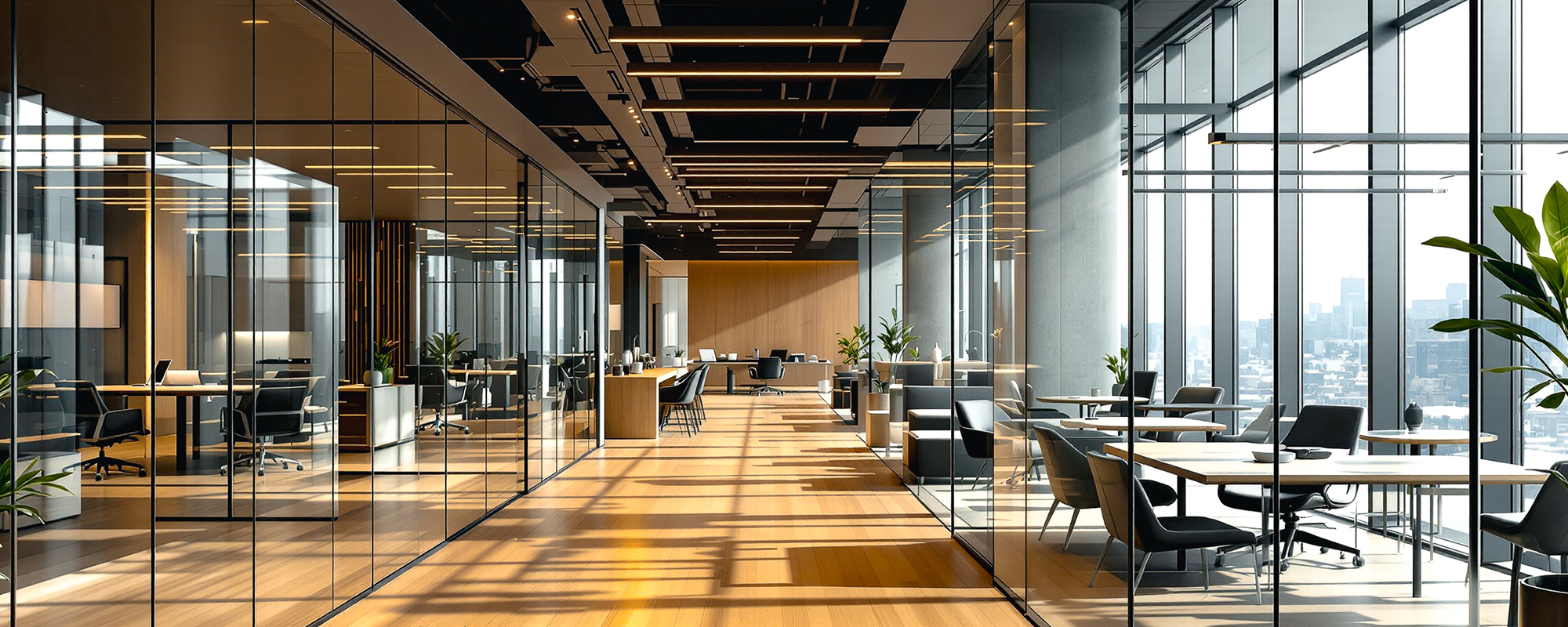
The workplace is undergoing a dramatic transformation, driven by hybrid schedules, remote collaboration, and the growing demand for employee well-being. At the heart of this shift is office furniture—no longer seen as just desks and chairs, but as strategic tools that shape productivity, comfort, and company culture. Businesses that embrace flexible, ergonomic, and sustainable furniture solutions are positioning themselves for success in a competitive talent market.
As we step into 2026, hybrid work isn’t a trend—it’s the new standard. Companies that adapt their spaces accordingly will unlock higher productivity, stronger employee engagement, and a workplace culture that feels built for the future.
Hybrid Work and Flexibility
One of the most significant shifts in office design is the move toward flexible spaces. The hybrid model means employees may be in the office two to three days a week, requiring layouts that adapt to fluctuating headcounts and dynamic work styles.
Modular furniture—tables that move, partitions that slide, seating that stacks—makes it easy to reconfigure a space in minutes. For instance:
A conference room can transform into breakout pods for brainstorming.
An open floor plan can shift to focus zones with mobile acoustic panels.
Hot-desking setups allow employees to claim a station without disrupting flow.
Companies are investing in furniture that transitions quickly, ensuring office space reflects the reality of employees splitting time between home and office. This adaptability also saves costs, as a single space can serve multiple purposes without requiring expansion.
Ergonomics as a Business Advantage
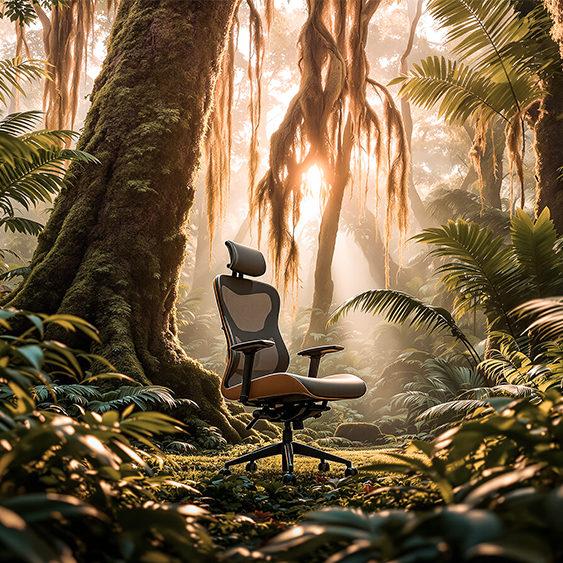
Ergonomic furniture has moved from luxury to necessity. Employees working long hours at poorly designed setups—both at home and in the office—report higher rates of discomfort, fatigue, and absenteeism.
Standing desks, sit-to-stand converters, and ergonomic chairs with advanced lumbar support are proving to be strategic investments. According to the Occupational Safety and Health Administration (OSHA), businesses that prioritize ergonomics see up to a 25% reduction in musculoskeletal complaints and measurable improvements in productivity.
Well-designed furniture not only prevents injury but also fosters employee loyalty. Workers recognize when companies invest in their well-being, and that perception translates into higher engagement and retention.
Sustainability and Smart Materials
Hybrid workplaces are also greener workplaces. With sustainability expectations rising among employees and clients, businesses are prioritizing eco-friendly furniture and office products.
Recycled wood, low-emission finishes, and sustainable fabrics like hemp and organic cotton are mainstream options. Certifications such as GREENGUARD, FSC, and BIFMA LEVEL® provide confidence that products meet strict environmental and safety standards.
Additionally, smart materials are gaining momentum in 2026:
Stain-resistant textiles extend product life and reduce replacement costs.
Temperature-adaptive fabrics improve comfort across diverse climates.
Antimicrobial coatings reduce germs, supporting workplace health.
Sustainable products not only minimize environmental impact but also signal a company’s values to employees and customers alike.
Aesthetics and Brand Identity
A hybrid office isn’t just functional—it’s a reflection of brand culture. In 2026, office interiors are doubling as recruitment and retention tools.
Sleek conference tables for boardrooms, lounge seating for collaboration, and branded finishes that reflect company identity send a strong message: “This is who we are, and this is how we work.”
The design of an office has become as important as the design of a website—it shapes first impressions, influences engagement, and creates an environment employees are proud to return to. A well-branded space can even reduce turnover, as employees feel more connected to the company’s mission.
Technology Integration
The design of an office has become as important as the design of a website—it shapes first impressions, influences engagement, and creates an environment employees are proud to return to. A well-branded space can even reduce turnover, as employees feel more connected to the company’s mission.
Examples include:
Conference tables with integrated AV capabilities, allowing seamless hybrid meetings.
Desks with built-in power ports and wireless charging pads, reducing clutter.
Cable management systems that keep spaces clean and organized.
These features support both in-office and remote team members, ensuring inclusivity and smoother collaboration. In a hybrid world, furniture isn’t just about where you sit—it’s about how you connect.
Case Study: COS in Action
When a regional financial services firm transitioned to a hybrid schedule, they partnered with COS to redesign their offices. The goal was to build an environment that could adapt quickly to fluctuating team sizes while supporting employee wellness.
COS installed modular conference tables, ergonomic seating, and sit-stand desks across the workspace. Within a month, employee surveys showed a 30% increase in satisfaction with the office environment and a 15% reduction in reported fatigue.
Additionally, COS integrated sustainable finishes and branded lounge areas, which impressed clients during on-site visits. The hybrid workspace not only improved productivity but also enhanced the company’s external image, contributing directly to business growth.
COS outfitted our office with ergonomic seating and sit-stand desks. Within weeks, our HR surveys showed a noticeable drop in fatigue complaints and a measurable uptick in overall productivity

Conclusion
Hybrid work is no longer an experiment—it’s the foundation of the modern workplace. Furniture has become a central player in this evolution, shaping employee wellness, collaboration, and culture.
Companies that invest in flexible, ergonomic, and sustainable solutions will future-proof their offices, creating spaces that employees want to return to and clients respect.
The takeaway is simple: in 2026, office design is business strategy. Hybrid workspaces designed for productivity don’t just support employees—they strengthen the entire organization.