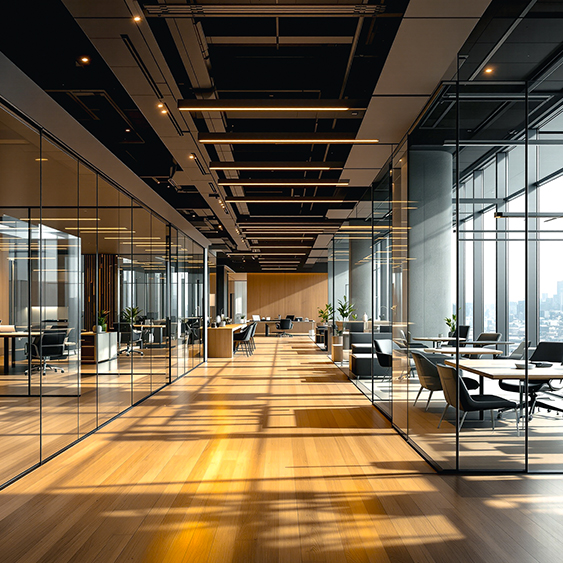

Sustainability is no longer a “nice-to-have” feature in business—it’s a core expectation from employees, clients, and partners alike. From the paper we print on to the furniture we sit on, companies are rethinking their purchasing decisions to reduce environmental impact while still maintaining performance and cost efficiency. The shift toward sustainable office products reflects a larger movement: businesses are expected to align their operations with eco-friendly practices.
Today’s workplace is greener, smarter, and more future-focused—driven by products designed with the environment in mind.
Eco-Friendly Paper and Supplies
Recycled paper, refillable pens, non-toxic inks, and biodegradable packaging are no longer fringe options. They’re mainstream choices helping companies cut down on waste. In fact, industry reports show that over 70% of U.S. businesses have incorporated recycled paper into their supply chain. These small, consistent changes contribute to achieving corporate social responsibility (CSR) goals while reinforcing a brand’s reputation for sustainability.
Beyond paper, reusable coffee pods, compostable breakroom supplies, and refill stations for cleaning products are reducing single-use waste. Every supply choice now doubles as an environmental decision.
Furniture with a Green Story
Office furniture is a major part of the sustainability conversation. Manufacturers are investing in reclaimed wood, recycled metals, and low-emission finishes to meet demand. Certifications like FSC (Forest Stewardship Council), GREENGUARD, and BIFMA LEVEL® assure businesses that products meet rigorous environmental standards, supporting both wellness and sustainability.
Modular furniture is especially gaining traction—it’s designed to adapt to different spaces, extending product life and reducing the need for replacements. For businesses, this translates into fewer landfill contributions and lower long-term costs.
Cost Savings Through Sustainability
Sustainable doesn’t have to mean expensive. Many eco-friendly products are actually designed for longevity. For instance:
LED lighting lasts up to 25 times longer than incandescent bulbs.
High-capacity toner cartridges reduce plastic waste and lower per-page costs.
Modular furniture adapts to company growth without requiring a full redesign.
Over time, these investments reduce operational costs, proving that sustainability can be both environmentally and financially smart.
Aesthetics, Wellness, and Brand Identity
A modern workplace isn’t just a space to work—it’s an extension of company culture and brand identity. Sustainable furniture now plays a role in shaping how employees and clients perceive a business.
Sleek conference tables made from reclaimed materials, collaborative lounge seating crafted with recycled fabrics, and branded finishes that use low-emission coatings all send a strong message: your company cares about people and the planet.
At the same time, sustainability connects directly to employee wellness. Biophilic design elements—natural textures, greenery, and sunlight-friendly layouts—are becoming staples in office interiors. These approaches reduce stress, improve focus, and help businesses attract and retain top talent.
Technology Meets Sustainability
Today’s office is both eco-conscious and tech-driven. Furniture with built-in power ports, wireless charging pads, and cable management systems reduces clutter and supports hybrid workflows. Conference tables with integrated AV systems minimize the need for separate equipment, reducing energy use and extending the lifespan of fewer but smarter devices.
The combination of sustainability and technology is transforming offices into efficient, future-proof ecosystems.
Case Study: COS in Action
When a regional healthcare organization partnered with COS, the challenge was to create a workspace that improved employee wellness while meeting strict sustainability goals. COS outfitted their offices with ergonomic seating and sit-stand desks made from recycled materials. Within weeks, HR surveys reported a 20% drop in fatigue complaints and a noticeable increase in productivity.
Additionally, COS implemented modular furniture solutions, reducing the client’s projected replacement costs by 30% over the next five years. The result was a greener, healthier workplace that met sustainability targets while saving money.
Working with COS, we swapped our breakroom and print supplies for eco-friendly alternatives. It not only reduced our footprint but also helped us meet new client sustainability requirements.

The Bigger Picture: Why Sustainability Matters
Consumers and employees increasingly expect the brands they work with to embody sustainability. According to Deloitte, nearly 60% of Gen Z and millennial employees consider a company’s environmental record before accepting a job offer. Sustainable office products are no longer simply functional purchases—they are powerful tools for recruitment, retention, and brand positioning.
Conclusion: Future-Proofing the Office
Office furniture and supplies have evolved from being functional to foundational. They now impact employee health, workplace culture, operational efficiency, and even talent acquisition. Businesses that embrace sustainability aren’t just keeping up with a trend—they’re making a long-term investment in their people and the planet.
The rise of sustainable office products represents a shift in how we define success in business. By aligning workspace design with environmental responsibility, companies create offices that look good, feel good, and do good.